Everything Small Business Owners Should Know About Credit Card Processing Fees (2026)
Updated: 18 Jun 2026
Navigating credit card processing fees can be a crucial aspect of managing your business finances in Singapore. Understanding these costs is essential for maximising profitability and making informed decisions about payment systems.

Written byAfina Najib
Senior Content Editor - Singapore

Running an online storefront or physical retail shop in Singapore is an exciting venture, but managing your operational margins requires a clear eye on transaction overheads. Every time a customer taps their card on your point-of-sale (POS) terminal or clicks "Check Out" online, a fraction of that sale disappears into an ecosystem of banks and payment processors.
For small business owners, understanding credit card payment processing fees singapore can mean the difference between scaling sustainably and bleeding profit quietly. Here is an evergreen, factual breakdown of what it costs to accept plastic in Singapore, how these structures operate, and how you can optimize your overheads.
What are credit card processing fees, and what do they entail?
Interchange fees form a significant portion of credit card processing costs and are paid to the card-issuing bank. This is the bank that provides the credit card to the customer.
Assessment fees are levied by the card networks, such as Visa and Mastercard. These fees contribute to the operational expenses of the networks.
Payment processor fees are the charges imposed by the company that handles the card transaction on behalf of your business. These processors facilitate the electronic transfer of funds between the customer's bank and your business account.

Find the right credit card for you in no time. 💳✨
Compare exclusive offers on SingSaver across cashback, miles, and rewards cards—plus enjoy stackable welcome gifts.
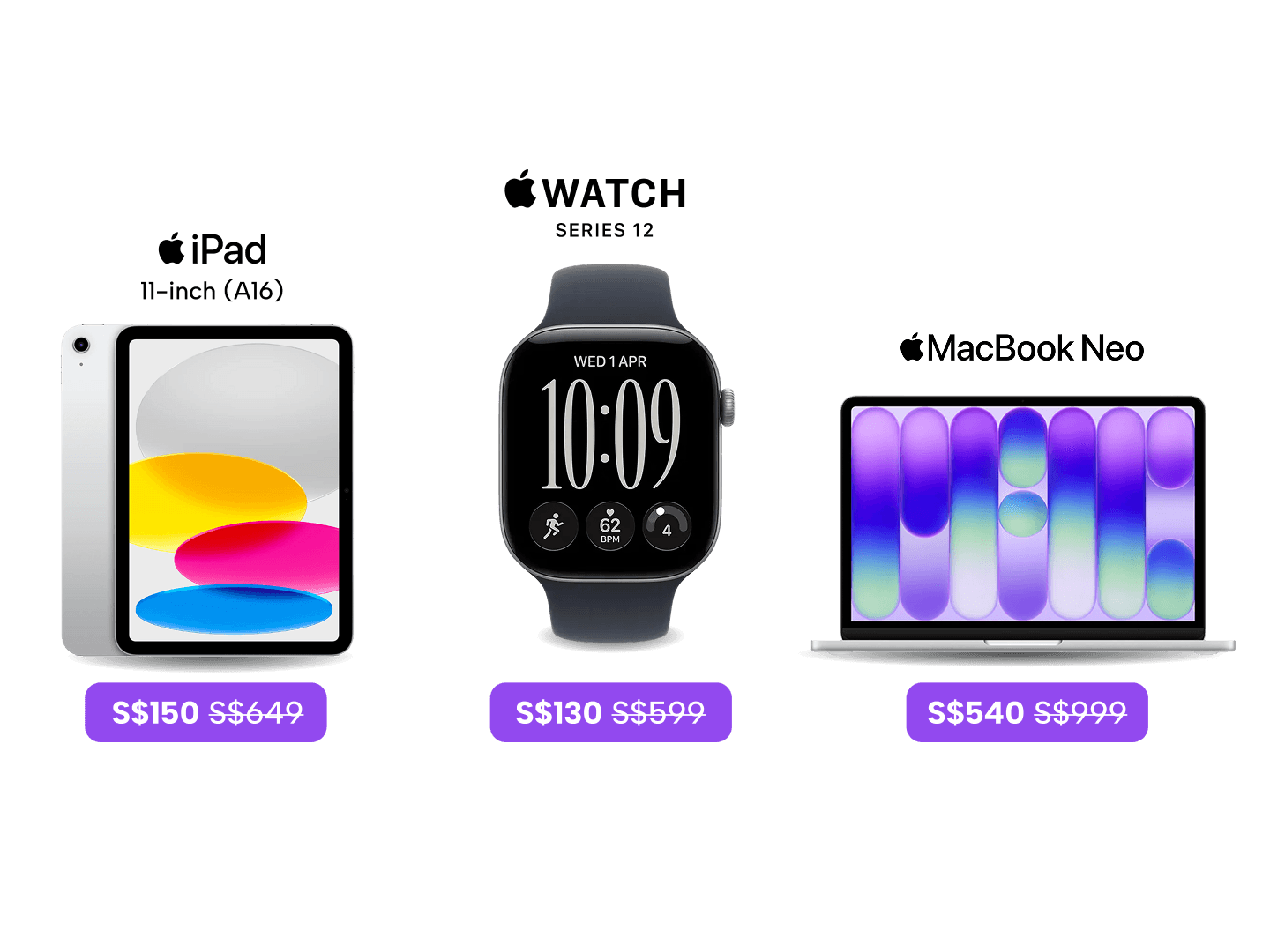
Upgrade to a premium Apple device for less! 🍎
Turn your reward into a sleek Apple tablet, headphones or laptop with a top-up starting from just S$130. Apply for select credit cards and take your pick. T&Cs apply.
What Types of Credit Card Processing Fee Structures Are There?
Before you choose a payment gateway, you must understand exactly how you are being billed. Payment processors globally and locally utilize a few main pricing models to charge for a credit card processing fee singapore business.
Flat-Rate Pricing
This is the most common model for modern, self-serve digital gateways. The processor charges a fixed percentage plus a flat per-transaction fee, regardless of what type of card the customer uses.
-
Pros: Highly predictable; easy to calculate monthly costs.
-
Cons: You pay the same margin even on low-cost cards (like basic debit cards), meaning you miss out on potential cost savings.
Interchange-Plus Pricing (Interchange++)
This model breaks down your costs transparently into three parts: the actual interchange fee from the card network (Visa/Mastercard), the credit card transaction fees Singapore card brands charge, and the payment processor’s cut.
-
Pros: Highly transparent; you pay exactly what the transaction actually costs plus a small, clear markup.
-
Cons: Hard to read statements; monthly billing varies wildly depending on the mix of premium, corporate, or international cards your customers use.
Tiered Pricing
Transactions are categorized into "Qualified," "Mid-Qualified," and "Non-Qualified" tiers based on risk and card type.
-
Pros: Can look cheap on paper for basic, qualified domestic cards.
-
Cons: Most rewards, cashback, and corporate cards end up being pushed into "Non-Qualified" tiers with very high transaction costs.
Subscription-Based Pricing
Some international platforms charge a regular monthly membership fee alongside a highly reduced, flat per-transaction cost. While popular in western markets for high-volume traders, pure subscription processing remains rare for standard entry-level entry points in Singapore's domestic SME landscape.

SingSaver x OCBC 90°N Credit Card Exclusive Offer
Apply for an OCBC 90°N Credit Card via SingSaver and choose from S$380 eCapitaVoucher, S$400 Shopee Voucher, 25,000 Max Miles by HeyMax, Dyson Airstrait, or Dyson V8 Cyclone cordless vacuum. Valid till 31 October 2026. T&Cs apply.
Or, Get the Reward Upgrade You Deserve!
You can also top up from just S$80 to upgrade to the latest Dyson and Apple products, including the latest MacBook Neo 256GB Magic Keyboard. Valid till 31 October 2026. T&Cs apply.
Standard Credit Card Processing Fees in Singapore
To keep your operations lean, it helps to compare the primary payment processors supporting the local market. Below are the standard, baseline public rates for merchants utilizing Singapore Dollar (SGD) settlement:
| Credit Card Processor | Primary Pricing Structure | Actual Singapore Processing Fee (SGD) | Local Ecosystem Add-ons |
| Shopify Payments | Plan-dependent Flat Rate |
3.2% + S$0.50 (Basic Plan) 3.0% + S$0.50 (Advanced Plan) |
Removes Shopify's standard 0.6% to 2.0% third-party platform transaction fee. |
| Stripe | Flat Rate |
3.4% + S$0.50 (Domestic cards) +0.5% for international cards |
PayNow: 1.3% per transfer. GrabPay: 3.3%. |
| PayPal | Flat Rate |
3.9% + S$0.50 (Domestic) 4.4% + S$0.50 (International) |
Highly trusted globally for cross-border checkouts, but holds a higher baseline cost structure. |
| HitPay | Flat Rate |
2.8% + S$0.50 (Domestic cards) 3.65% + S$0.50 (International) |
PayNow: 0.65% to 0.90%. Native e-commerce plugins. |
| Adyen | Interchange++ | Interchange + 0.60% + US$0.13 per transaction | Engineered fundamentally for high-volume enterprise and omnichannel businesses. |
How do you calculate your credit card processing fees?
Many small business owners find themselves unsure how to accurately calculate their monthly credit card processing fees. This uncertainty stems from the various pricing structures and transaction variables that influence the final cost.
Estimate your monthly processing expenses by inputting your payment processor's rates into a calculator. If you're comparing processors, use estimated average rates for interchange-plus pricing to get a clearer picture of potential costs.
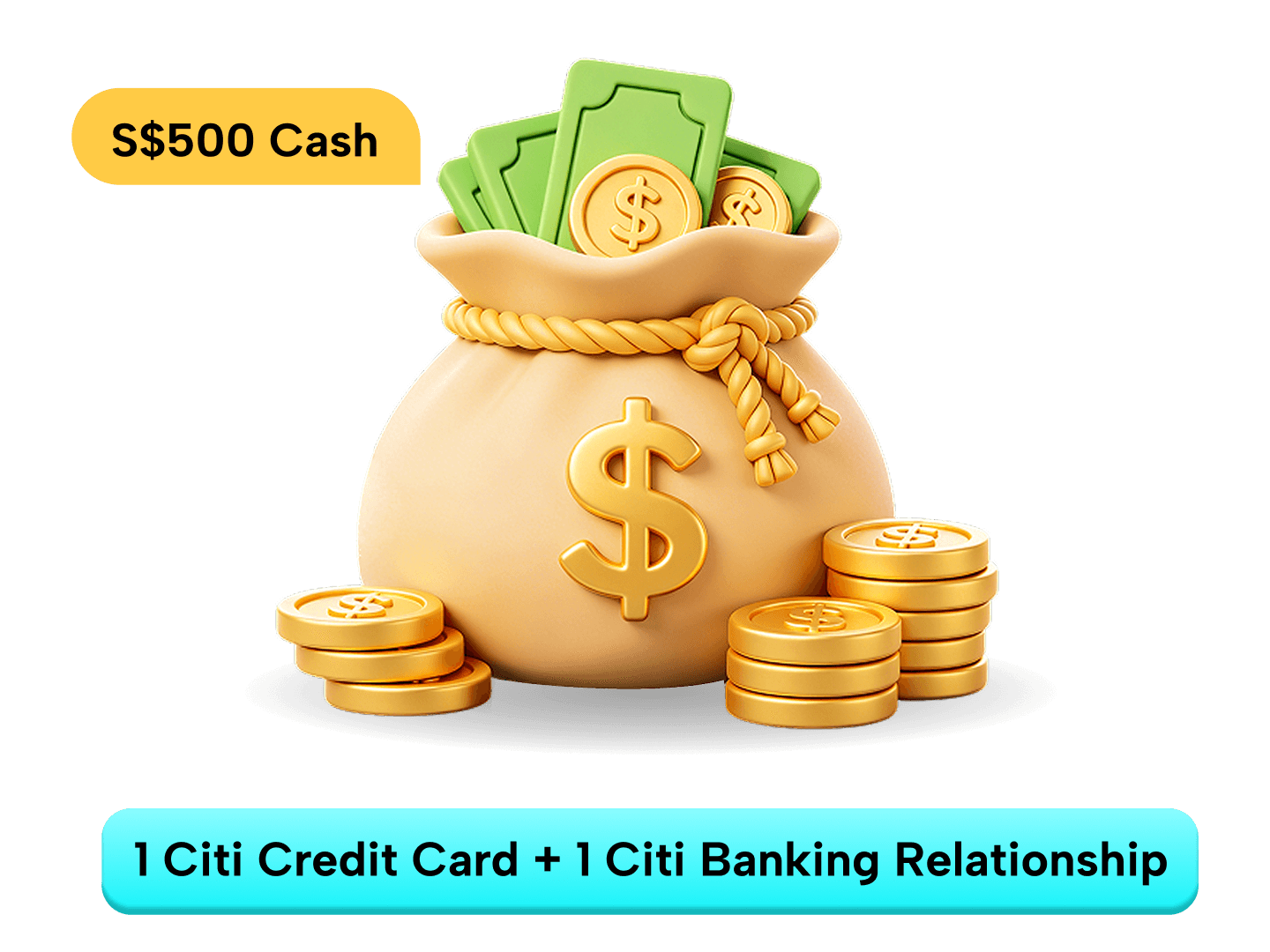
SingSaver Citi Credit Card + Banking Bundle Offer
Score upsized S$500 Cash via PayNow in place of exisiting rewards when you apply for a Citi Credit Card, make a minimum spend of S$500 and hold a valid Citi banking account (existing or newly opened) by the end of the month following card approval. Valid till 15 October 2026. T&Cs apply.
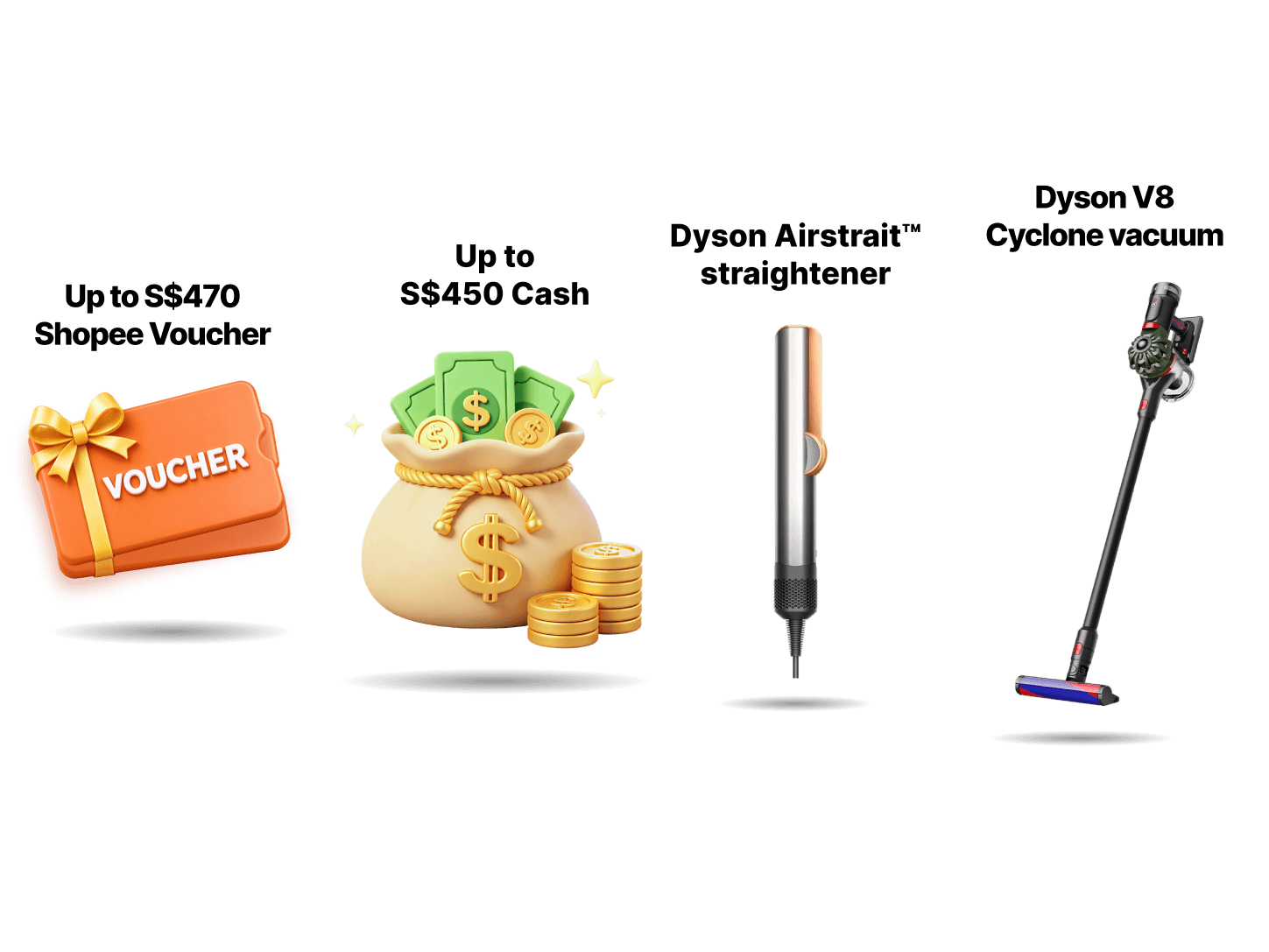
SingSaver Exclusive Offer
Apply for a Citi Cashback+ Credit Card via SingSaver and score S$400 Cash via PayNow, S$420 Shopee Voucher, 25,000 Max Miles by HeyMax, Dyson Airstrait™ straightener, or Dyson V8 Cyclone Vacuum Cleaner upon activating and spending a minimum of S$500 within 30 days of card approval. Valid till 15 October 2026. T&Cs apply.
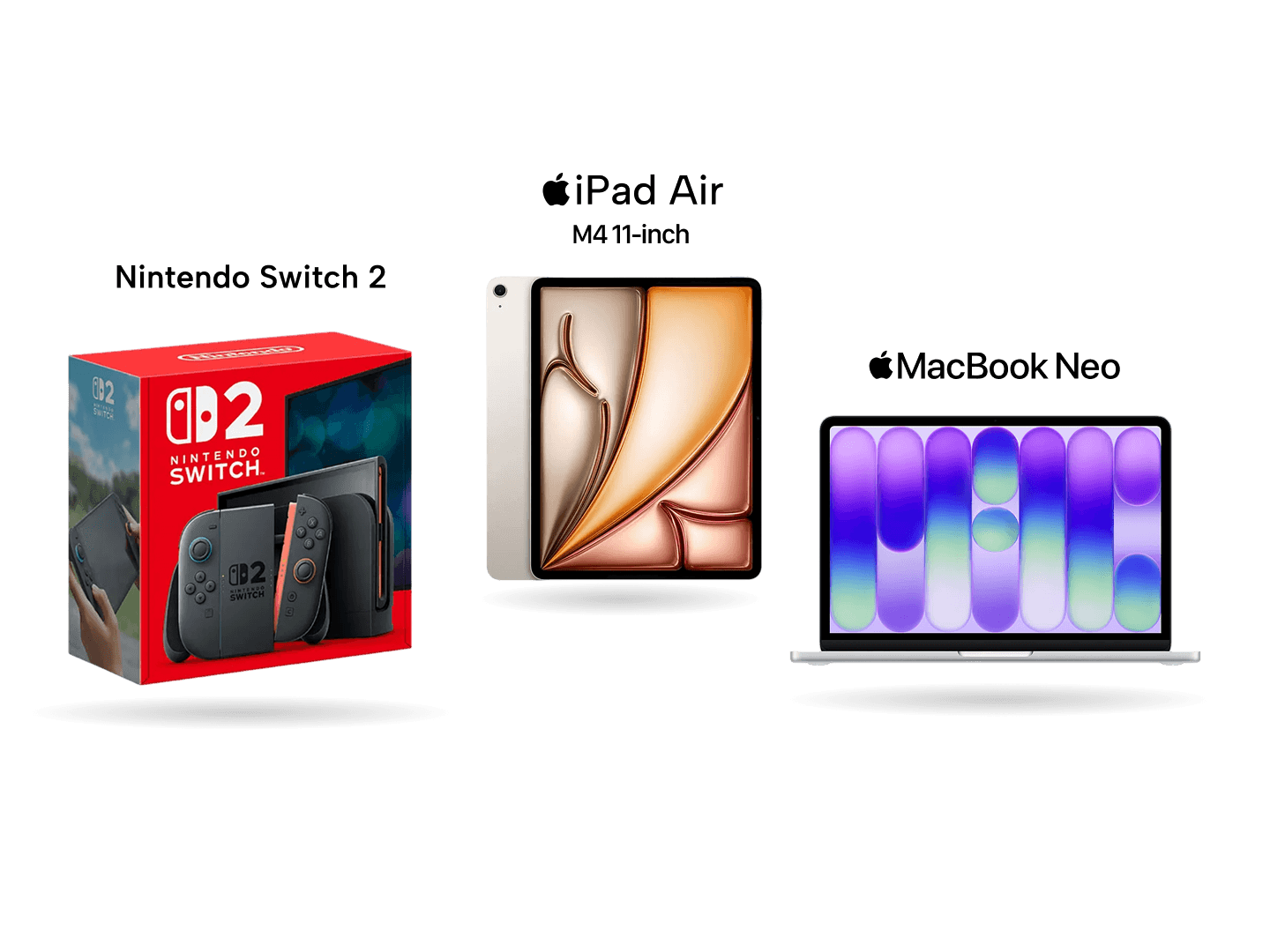
Or, Get the Reward Upgrade You Deserve!
You can also top up from just S$100 to upgrade to the latest Dyson and Apple products, including the latest MacBook Neo 256GB Magic Keyboard. Valid till 15 October 2026. T&Cs apply.
How can I offset my credit card processing fees in Singapore?
If your margins are feeling pinched by your overall merchant discount rate Singapore (the total percentage fee a business pays to accept card payments), there are practical strategies to lower or recover these expenses.
1. Reroute credit card fees to consumers (Surcharging)
While passing a credit card surcharge singapore directly onto consumers sounds like an immediate fix, you must tread incredibly carefully. Legally, while global credit card networks have eased some blanket restrictions on passing costs down, local commercial realities differ.
Major local acquiring banks (such as DBS, OCBC, and UOB) frequently maintain strict rules within their standard merchant terminal agreements that explicitly forbid adding a visible surcharge to customers at checkout. Violating these bank clauses can result in your business losing its POS terminal or merchant acquisition accounts entirely.
2. Implement a minimum spend for credit card payments
Instead of a direct surcharge, many physical merchants in Singapore choose to implement a minimum transaction limit (e.g., S$10 or S$20) before accepting credit cards. This ensures that a fixed transaction fee (like S$0.50) doesn’t wipe out the entire profit margin on a micro-transaction.
3. Opt for more affordable providers
If standard card fees are unviable, prioritize alternative local electronic payment mechanisms. Singapore's unified SGQR system allows businesses to process PayNow transfers directly from bank apps.
Because PayNow merchant settlement fees run significantly lower than credit cards—typically ranging from 0% (via selected direct corporate banking promotions) up to roughly 1% through digital gateways—nudging your client base toward QR code payments is one of the most immediate ways to shield your cash flow from heavy credit card transaction overheads.

Find the best credit card for your business
Explore the best credit cards in Singapore to boost your business finances. Compare perks like cashback, offers and rewards at a glance.
Frequently asked questions about credit card processing fees
In Singapore, credit card processing fees generally range from 1% to 4% of the transaction amount. This range varies depending on factors such as the type of card used (e.g., standard, premium, corporate), the transaction method (e.g., online, in-person), and the specific payment processor you choose. Some processors may offer lower rates for higher transaction volumes or specific industries.
Credit card processing fees are typically paid by the merchant. However, these fees are an operating cost for the business, which can influence how they price their goods and services. For example, merchants may slightly increase prices to partially offset processing fees.
Credit card processing fees are distributed among several parties involved in the transaction:
-
Issuing Bank: A portion, known as the interchange fee, goes to the bank that issued the customer's credit card.
-
Card Network: Another portion, called the assessment fee, is paid to the card network (e.g., Visa, Mastercard) for their services.
-
Payment Processor: The remaining portion goes to the payment processor, the company that handles the transaction on behalf of the merchant.
-
Credit card processing fees represent the combined costs incurred by the various entities involved in facilitating a credit card transaction. These costs include the issuing bank's risk, the card network's infrastructure, and the payment processor's services. While they may seem high, they enable the convenience and security of credit card transactions.
Relevant articles
About the author

Afina Najib
Spending most of her young writer's phase working as a freelancer, Afina's written for various industries ranging from e-commerce, travel to health and finance. Her expertise lies in her ability to make complex subjects like finance easy to consume for everyday readers.